
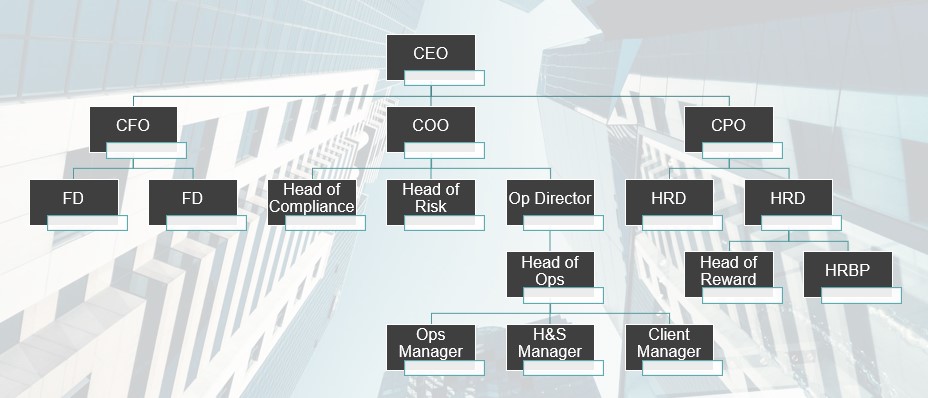
Designing a new Target Operating Model (TOM) involves several key considerations to ensure that the organisation can effectively achieve its strategic goals while supporting its workforce. Here are 8 important factors to consider:
1. Alignment with Business Strategy
- Strategic objectives: Ensure that the TOM aligns with the overall business strategy and objectives. The HR framework should support the company’s mission, vision, and long-term goals.
- Scalability: Design a model that can adapt to future growth and changes in business direction.
2. Organisational Structure
- Role Clarity: Define clear roles and responsbilities to avoid overlap and confusion. Ensure that each role algins with the company’s strategic objectives.
- Hierarchical Levels: Decide on the appropriate number of hierarchical levels to balance between effiicient decision-making and adequate oversight.
3. Talent Management
- Recruitment: Develop strategies to attract and retain talent that align with the new TOM. This inludes defining key skills and competencies required for future success.
- Training and Development: Implement continuous learning programs to upskill employees and prepare them for new roles and responsibilities within the TOM.
- Performance Management: Align performance metrics with the new operating model to ensure employees are focused on achieving relevant goals.
4. Change Management
- Communication Plan: Develop a comprehensive communication plan to keep employees informed about changes and the reasons behind them. Transparency is key to gaining buy-in and reducing resistance.
- Engagement: Involve employees in the redesign process to gather input and foster a sense of ownership and commitment to the new model.
- Support Systems: Provide support, such as counseling and mentoring, to help employees navigate changes.
5. Culture and Values
- Cultural Alignment: Ensure that the TOM supports and enhances the organisational culture. This includes promoting values such as collaboration, innovation, and inclusivity.
- Behavioural Expectations: Clearly define and communicate the expected behaviours that align with the new TOM and reinforce them through training and leadership examples.
6. Technology and Tools
- HR Technology: Implement HR technologies that support the new TOM, such as HRIS for managing employee data, performance management systems, and learning management systems.
- Collaboration tools: Adopt tools that facilitate communication and collaboration across different parts of the organisation.
7. Compliance and Governance
- Regulatory Compliance: Ensure the TOM complies with all relevant laws and regulations, including labour laws, data protection regulations, and industry-specific requirements.
- Ethical Standards: Maintain high ethical standards in all HR practices and ensure they are reflected in the new TOM.
8. Metrics and Evaluation
- Success Metrics: Define metrics to evaluate the success of the new TOM. This could include employee engagement scores, retention rates, productivity metrics, and customer satisfaction.
- Continuous Improvement: Establish processes for regular review and continuous improvement of the TOM based on feedback and performance data.
To conclude, designing a new TOM requires a holistic approach that considers strategic alignment, organisational structure, talent management, change management, culture, technology, compliance, and continuous evaluation. By addressing these factors, HR can ensure that the new TOM supports the overall business strategy and enhances organisational performance and health.
These considerations should help create a robust and flexible TOM that not only meets current business needs, but also prepares the organisation for future challenges and opportunities.


 TCW Consulting - Independent HR Support Services
Leave a comment